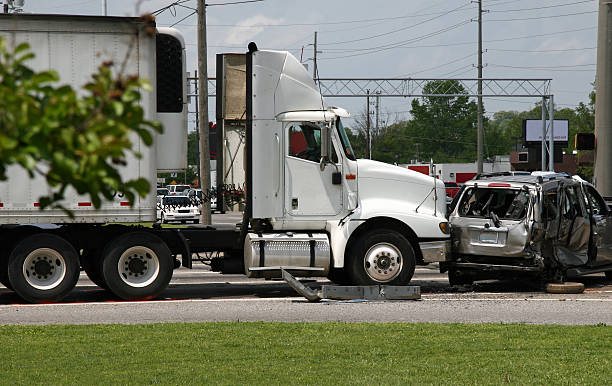
When a commercial truck or 18 wheeler is involved in a crash, electronic records often hold the key to figuring out what happened.
What Is an ELD?
An ELD stands for Electronic Logging Device. It is a piece of digital hardware installed inside a commercial truck that connects directly to the vehicle's engine.
In the past, truck drivers tracked their driving hours by filling out paper logbooks by hand. Drivers could easily make a mistake on paper logs or write down incorrect rest times. To solve this problem, federal law now requires almost all commercial semi-trucks and 18-wheelers to use ELDs.
The ELD automatically tracks when the truck's engine is running, when the vehicle is moving, how many miles were driven, and how long the driver has been behind the wheel.
How Does ELD Evidence Work?
An ELD automatically keeps track of when a truck driver is driving and how long they have been on the road. When the truck begins moving, the device records the driver's time behind the wheel.
Key details recorded by an ELD include:
- Driving Hours: Tracks exactly how many hours the driver has been on the road without taking a break.
- Duty Status: Records whether the driver is driving, working while not driving (like loading cargo), resting in the sleeper berth, or off-duty.
- Location and Speed: Uses GPS technology to mark where the truck was located at specific times throughout the day.
- Unassigned Driving Time: Flags any movement of the truck that occurred when no driver was logged into the system.
Many commercial drivers who are required to maintain records of duty status must use compliant ELDs. The audit trail keeps a record of any changes, including who made them and when, allowing an attorney to review how and when the original information was modified.
Why Does It Matter After an Accident?
ELD evidence is critical after a collision because tired drivers are dangerous drivers. Truck drivers are only allowed to drive a specific number of hours each day under federal Hours-of-Service rules. When drivers ignore these limits to make faster deliveries, their reaction times slow down, and the risk of a severe crash increases.
After a crash, ELD records can prove whether a truck driver was driving past their legal limit or driving while fatigued.
However, trucking companies are only required to save standard ELD data for a limited time. Sending a spoliation letter shortly after an accident ensures that the trucking company preserves the ELD data and audit trails before they are overwritten or deleted.
Frequently Asked Questions
Can a truck driver turn off or alter the ELD?
A driver cannot easily turn off an ELD because it is wired directly into the truck's engine. While minor status corrections can be made, the system saves an original audit trail that shows any changes made to the log.
How do investigators get ELD data after a crash?
Attorneys and investigators request the electronic files directly from the trucking company or ELD service provider. They often send a formal preservation letter to ensure the data is saved immediately.
Why are paper logs rarely used anymore?
Federal law required commercial trucking companies to switch to ELDs to prevent fraud, eliminate paper errors, and make sure drivers do not exceed safety hour limits.